


Cherry Blossoms
Format
digitalColor
col.Year
2012Duration
00:11:58Language
English, JapaneseProduced by
Elektrischer SchnellseherFunded by
Flemish Fund, School of Arts & Research Fund University college GhentDistribution
distribution@argosarts.orgCinematography
Sebastien KoeppelCamera assistant
Léo LéfèvreEditor
Dieter DiependaeleSound
Laszlo UmbreitTechnical assistance
Elias HeuninckScreenplay
An van. DienderenTranslation by
Itsushi Kawase and Emi KodamaJapanese voice
Emi KodamaJapanese interviews
An van. DienderenShow all credits
Show less credits
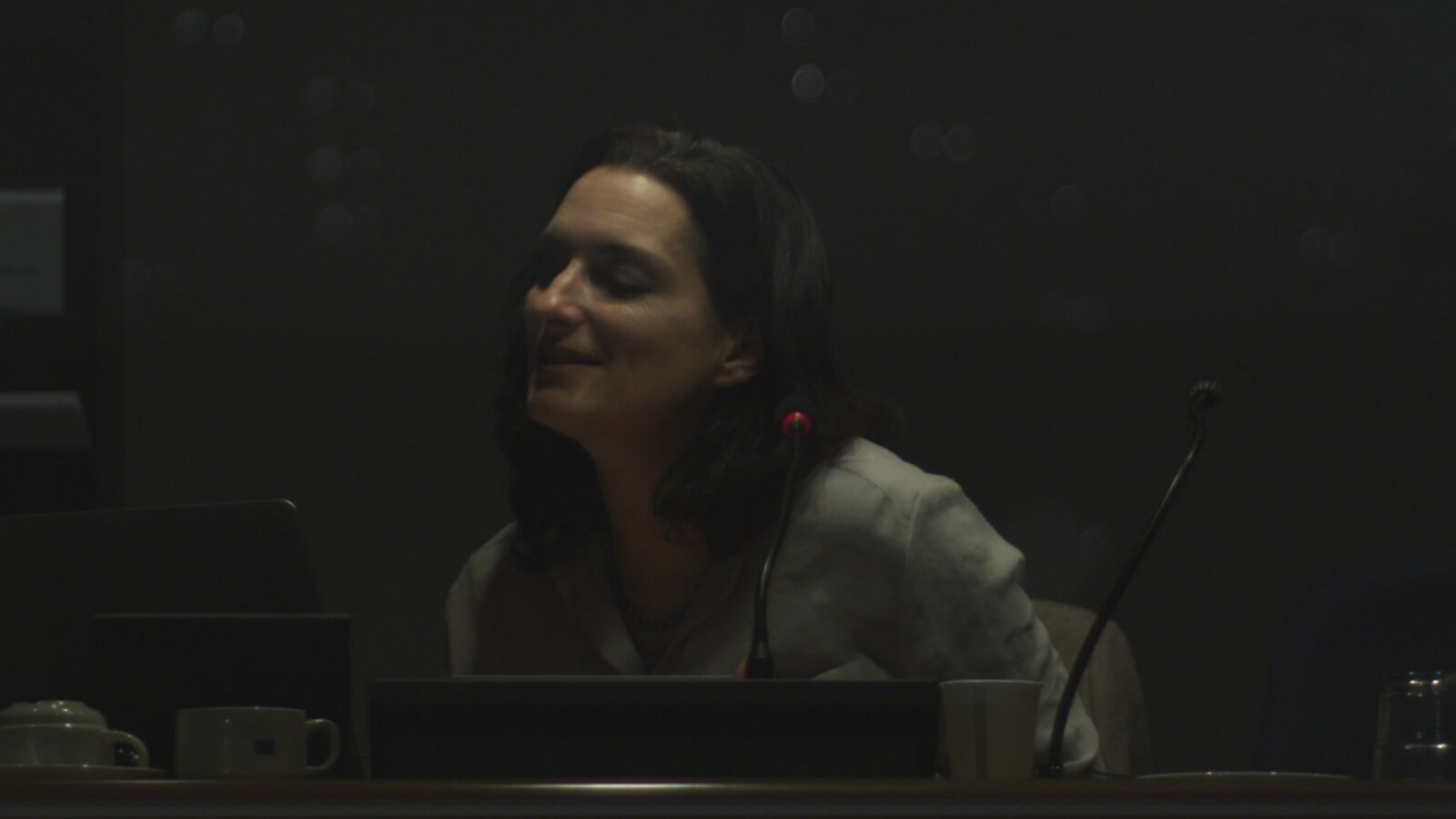
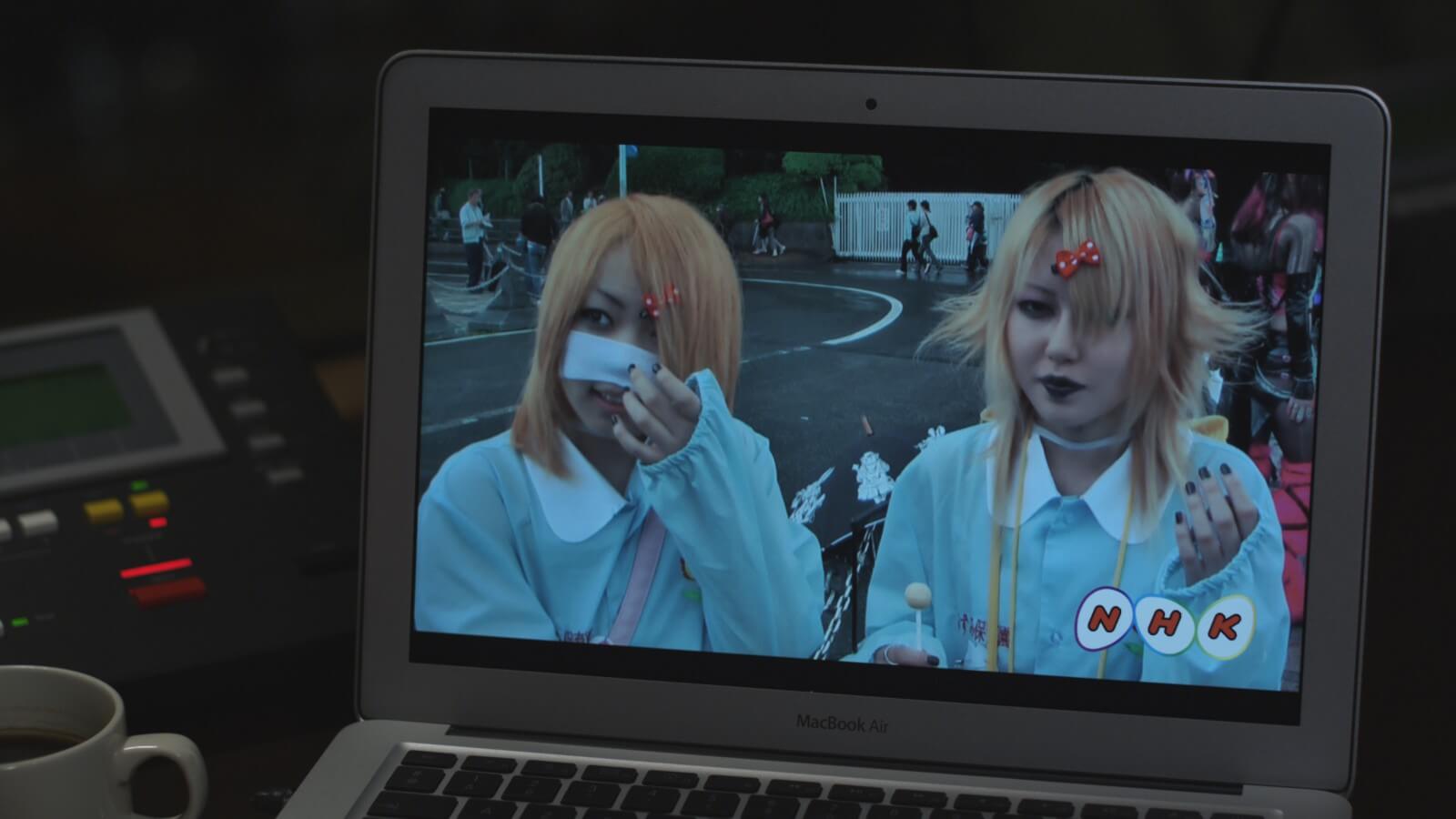
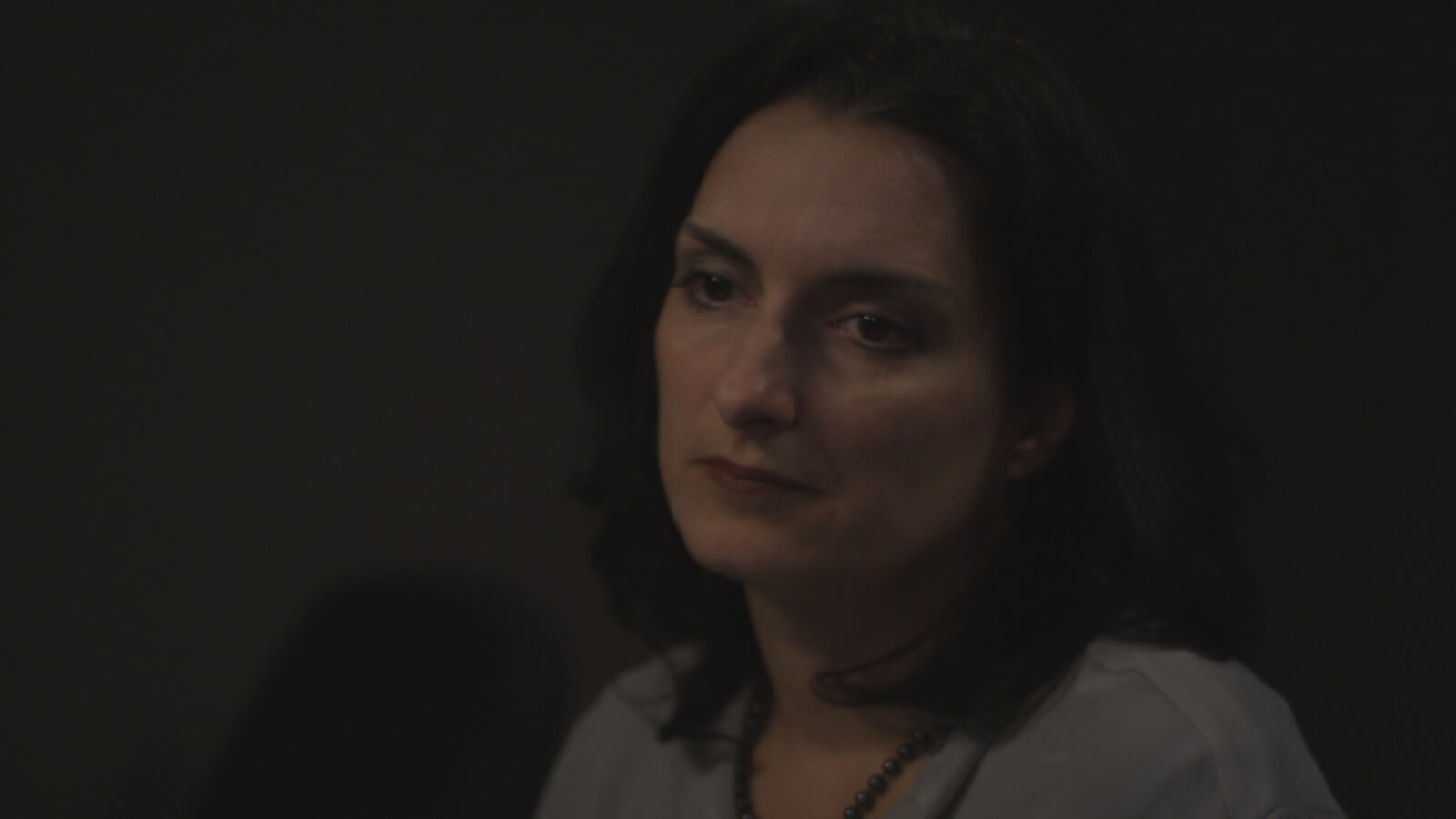
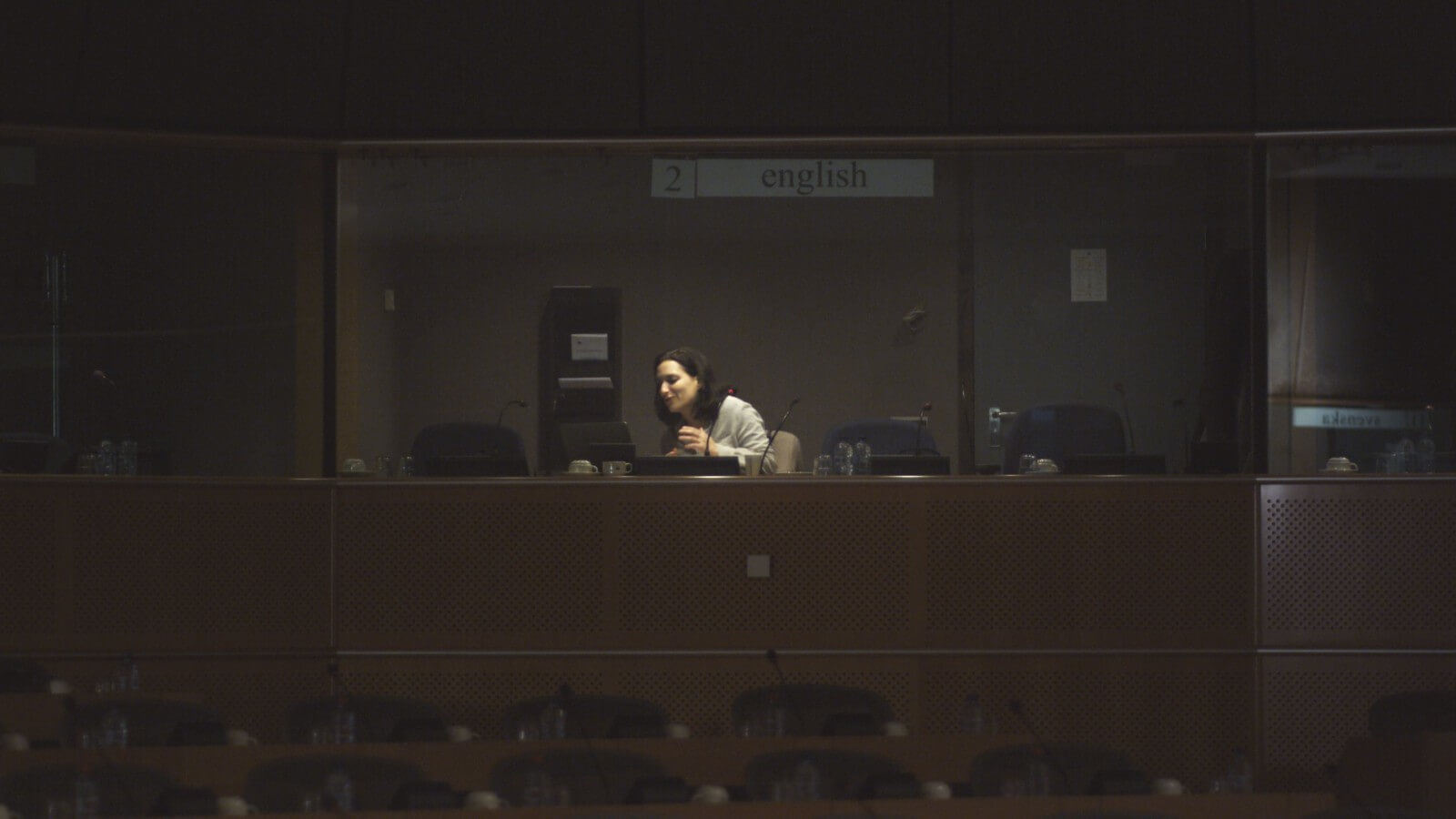
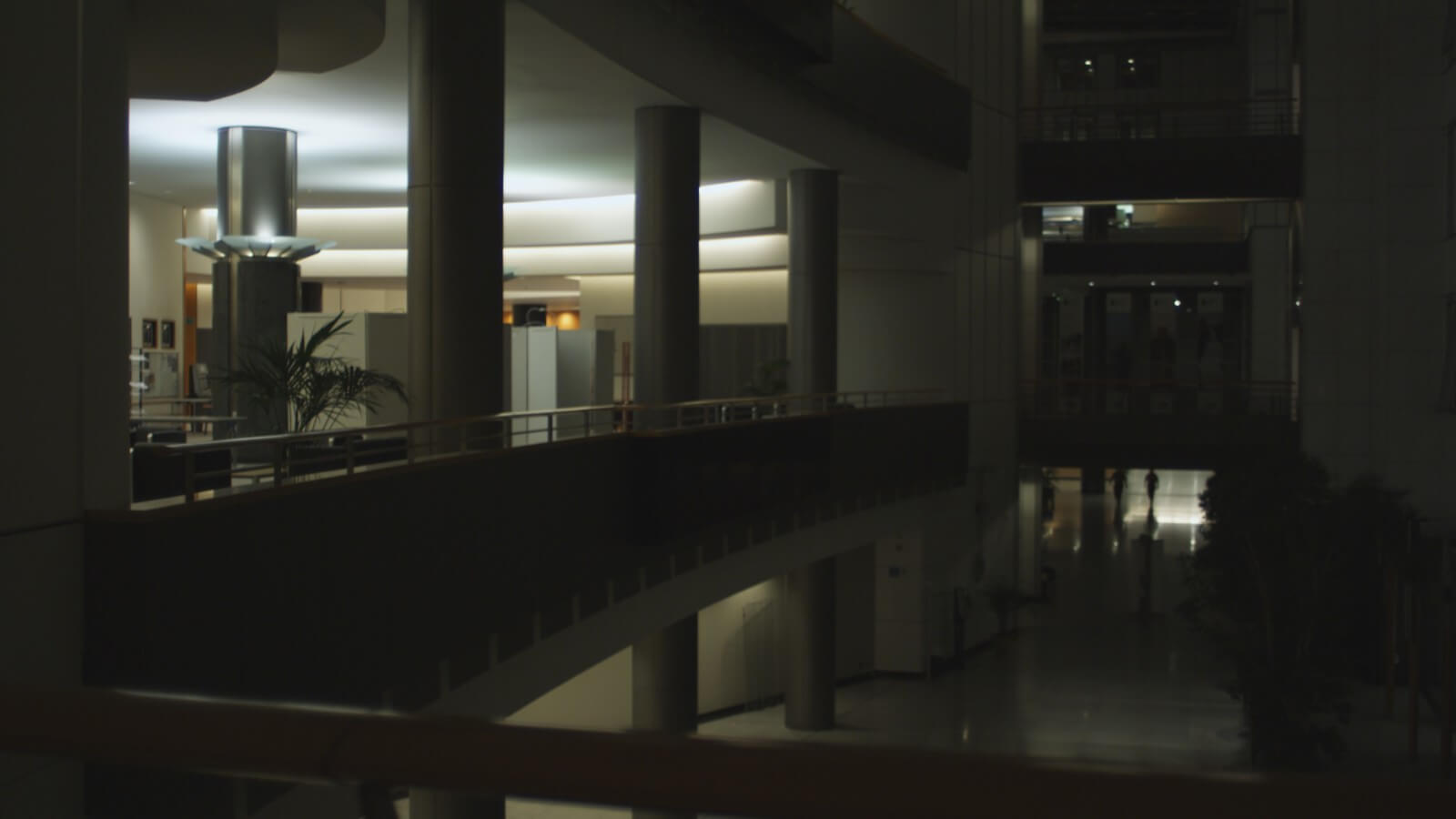
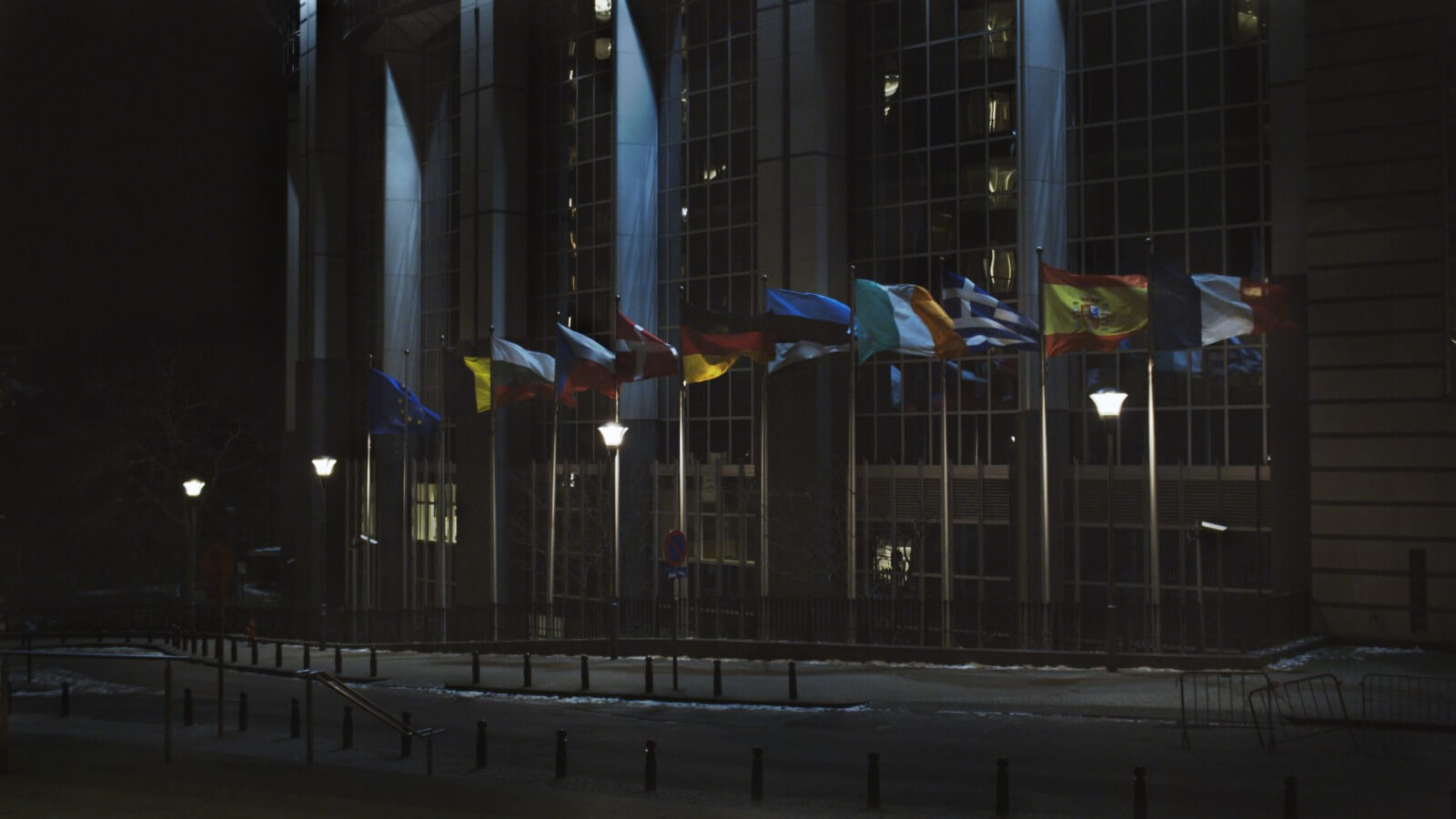
Old images of Sydney Pollack’s last feature-length film, The Interpreter (2005) filmed at the United Nations, come to mind. In an interview he hinted that this type of building reduced camera locations. A progressive shift from ear to eye, forsaken in a gigantic European building in Brussels, translator Carly Wijs allows herself to be captivated by the temperament of Japanese youths. In this normed context, a passing humanity surfaces.
(Source: Gilles Grand, Fid Marseille)
AWARDS
2013
– Special Prize of the Jury at the International Short Film Competition "Monsieur Guillaume" at FIDOCS Chile
SCREENINGS
2015
– Association for Cultural Studies (ACS), Bloemfontein, South-Africa (ZA)
2014
– 22/12/2013- 09/03/2014, ‘Grenzen/loos’ expo in Emergent Galery Veurne (BE)
2013
– Cinematek Brussels (BE)
– Festival des Films de Femmes, Le Créteil, Paris (FR)
– “The politics and Poetics of Documentary Film”, research symposium Helsinki (FI)
– International Short film Festival Oberhausen (DE)
– KVS, Tok Toc Knock festival Brussel (BE)
– Festival back up, Weimar (DE)
– FIDOCS, Festival Internacional de Documentales de Santiago (CL)
– FID Marseille (FR)
– Elles tournent, Brussel (BE)
– DMZ Korean international documentary Festival (KP)
– Kasseler docfest (DE)
– International Filmfestival Rotterdam (NL)
– Leiden international Film Festival (NL)